How DIY Craft Kits Can Make Summer Fun for Kids
- Share
- Issue Time
- Mar 18,2026
Summary
As summer approaches, parents often seek engaging, screen-free activities for their children. DIY craft kits offer an excellent solution, fostering creativity, combating boredom, and creating lasting memories. These kits provide all necessary materials and instructions, making creative expression accessible and enjoyable. They are particularly beneficial during summer for several reasons: promoting screen-free time, stimulating cognitive development through problem-solving, enhancing fine motor
Summer is here, and with it comes the age-old question from parents everywhere: how do we keep our kids entertained, engaged, and away from screens? In my experience, one of the most effective and joyful solutions is embracing the world of do-it-yourself projects. I've found that DIY craft kits are a fantastic way to spark creativity, beat the summer boredom blues, and, most importantly, make lasting memories during those long, sun-drenched days. They offer a perfect blend of structured activity and creative freedom, turning a simple afternoon into an adventure in imagination.
Unleashing Creativity with DIY Craft Kits: A Summer Must-Have
The summer break offers a unique opportunity to nurture our children's creative instincts, and DIY craft kits are the perfect tool for the job. They are more than just a way to pass the time; they are compact, curated experiences that provide all the necessary materials and instructions, allowing kids to dive straight into the fun of making something with their own hands. This focused approach removes the potential overwhelm of starting a project from scratch, making creativity accessible and enjoyable for everyone.
Why DIY Craft Kits Are Perfect for Summer
During summer, maintaining a routine while allowing for fun and relaxation can be a balancing act. DIY craft kits fit into this dynamic perfectly, offering a wealth of developmental benefits packaged as pure entertainment.
One of the most significant advantages is their ability to provide valuable screen-free time. Engaging in a hands-on activity helps reduce a child's reliance on digital devices for entertainment. Crafting stimulates the brain in unique ways, enhancing problem-solving skills and boosting creativity as children figure out how to assemble, decorate, or build their project. This type of engagement is crucial for cognitive development.
Furthermore, these kits are powerful tools for developing fine motor skills. Activities like beading, painting, cutting, and gluing require precision and control, which strengthens hand-eye coordination and dexterity in a fun, low-pressure environment. Many kits are also designed to be educational. A child might learn about crystal formation from a science kit, basic sewing techniques from a plushie-making kit, or color theory from a painting set. This "stealth learning" aspect makes them a parent-approved choice for summer fun.
Completing a craft project from start to finish also provides a major confidence boost. The sense of accomplishment a child feels when they hold up their finished creation is immense, fostering self-esteem and a positive "I can do it" attitude that carries over into other areas of their lives.
My Favorite Types of DIY Craft Kits for Kids
The market for DIY craft kits is vast and exciting, with options to suit every interest and age group. Over the years, I've discovered a few categories that are consistent hits with kids and offer a fantastic range of experiences.
Here's a breakdown of some favorite types of kits that are perfect for summer crafting:
| Kit Category | Description | Key Skills Developed | Example Project Ideas |
|---|---|---|---|
| Painting & Coloring Kits | These kits provide a canvas—be it paper, wood, ceramic, or fabric—along with paints, markers, or pencils. They allow for freeform expression and color exploration. | Color mixing, brush control, creativity, patience. | Painting ceramic mugs, decorating wooden birdhouses, tie-dyeing t-shirts. |
| Modeling & Sculpting Kits | Using materials like air-dry clay, polymer clay, or kinetic sand, children can sculpt and mold three-dimensional objects. | Fine motor skills, spatial reasoning, sensory exploration. | Creating clay animals, sculpting miniature food, building sandcastles. |
| Building & Construction Kits | These kits focus on assembling a final product from various parts. They can range from simple wooden models to more complex engineering sets. | Following instructions, problem-solving, 3D thinking. | Assembling a model airplane, building a miniature robot, or creating a DIY Wooden chess game. |
| Textile & Fiber Arts Kits | This category includes activities like sewing, weaving, knitting, and string art. They introduce children to the world of fabric and thread. | Hand-eye coordination, patience, pattern recognition. | Weaving a small wall hanging, sewing a felt animal, making friendship bracelets. |
| Specialty & Themed Kits | These are some of the most exciting kits, often focusing on a unique craft. A great example is the GlassGlow Mosaic Artisan Figure Studio, where kids can create stunning figures by applying colorful glass pieces to a base, learning about light, color, and texture. This type of advanced kit is perfect for older kids or for a parent-child collaborative project. | Specialized techniques, attention to detail, artistic expression. | Mosaic art, candle making, soap crafting, jewelry design. |
One of the most versatile and engaging options involves simple wooden components. Kits that provide plain wooden pawns, for example, can be a gateway to endless creativity. Kids can paint them to create custom characters for a homemade board game, decorate them as a family of figures, or incorporate them into a larger diorama project. Similarly, a DIY Wooden chess game kit not only provides the fun of building the board and pieces but also results in a functional game that the family can use for years to come. These wooden kits are particularly satisfying as they often result in durable, long-lasting creations.
The Magic of DIY Craft: From Messy Desks to Organized Fun
Let's be honest: the word "craft" can sometimes trigger images of glitter explosions, paint-smeared tables, and a general state of creative chaos. While the mess is often part of the fun, managing it is key to making crafting a sustainable and enjoyable activity for the whole family. The beauty of DIY craft kits is that they often contain the chaos, but a little organization can transform your crafting sessions from stressful to serene.
Turning Chaos into Craft Opportunities
The key to managing craft time is preparation. Instead of letting the creative storm unfold without a plan, you can set up a designated "creation station." This doesn't have to be a permanent fixture; a simple, well-prepared space can make all the difference.
- Define the Zone: Before opening a kit, lay down a protective covering. A plastic tablecloth, a roll of craft paper, or even old newspapers will protect your surfaces and make cleanup a breeze. This simple step mentally prepares kids that this is the designated craft zone.
- Use Trays and Bins: One of the best ways to contain small pieces like beads, mosaic tiles, or sequins is to use trays with raised edges. Give your child a baking sheet or a large plastic tray to work on. This keeps everything in one place and prevents tiny parts from rolling onto the floor.
- Manage "Wet" Supplies: For activities involving paint or glue, have a plan. Use stable, non-spill water cups for rinsing brushes. Squeeze small amounts of paint onto a palette or a disposable paper plate at a time to minimize waste and potential spills. Keep a roll of paper towels or a damp sponge nearby for immediate cleanup.
- Embrace the "Mess Mat": Investing in a silicone craft mat can be a game-changer. They are non-stick, waterproof, and incredibly easy to clean. Paint, glue, and even hot glue peel right off once dry.
By transforming potential chaos into an organized activity, you teach children valuable skills about preparation and responsibility. It shows them that being creative and being tidy can go hand in hand, making the entire experience more relaxing for parents and more focused for kids.
Easy Storage Solutions for Your Kids' DIY Craft Creations
Once the crafting is done, you're left with a beautiful, and often sentimental, new creation. But what do you do with it? And what about the leftover supplies? Proper storage is essential for honoring your child's work and keeping your craft supplies ready for the next burst of inspiration.
Storing Finished Masterpieces: The most important rule is to treat your child's work with respect. Their creations are tangible evidence of their effort and imagination.
- The "Gallery Wall": Dedicate a wall or a large corkboard in your home to be a rotating gallery of your child's art. Use clips on a string or simple frames to make it easy to swap out older pieces for new ones. This shows your child that you value their work.
- Digital Archives: For prolific artists, you can't possibly keep everything. Take high-quality photos of each creation. You can compile these into a digital album or even create a yearly photo book. This preserves the memory without taking up physical space.
- Keepsake Boxes: For three-dimensional projects or particularly special pieces, a designated "keepsake box" for each child is a wonderful solution. Let them decorate their own box, making it a special treasure chest for their most prized creations.
- Functional Art: Encourage crafts that have a use. A painted mug, a decorated pencil holder, or a mosaic jewelry box become part of the household, serving as a constant, proud reminder of their creativity.
Organizing Leftover Supplies: Most DIY kits come with more materials than are needed for the project. These leftovers are a treasure trove for future open-ended crafting.
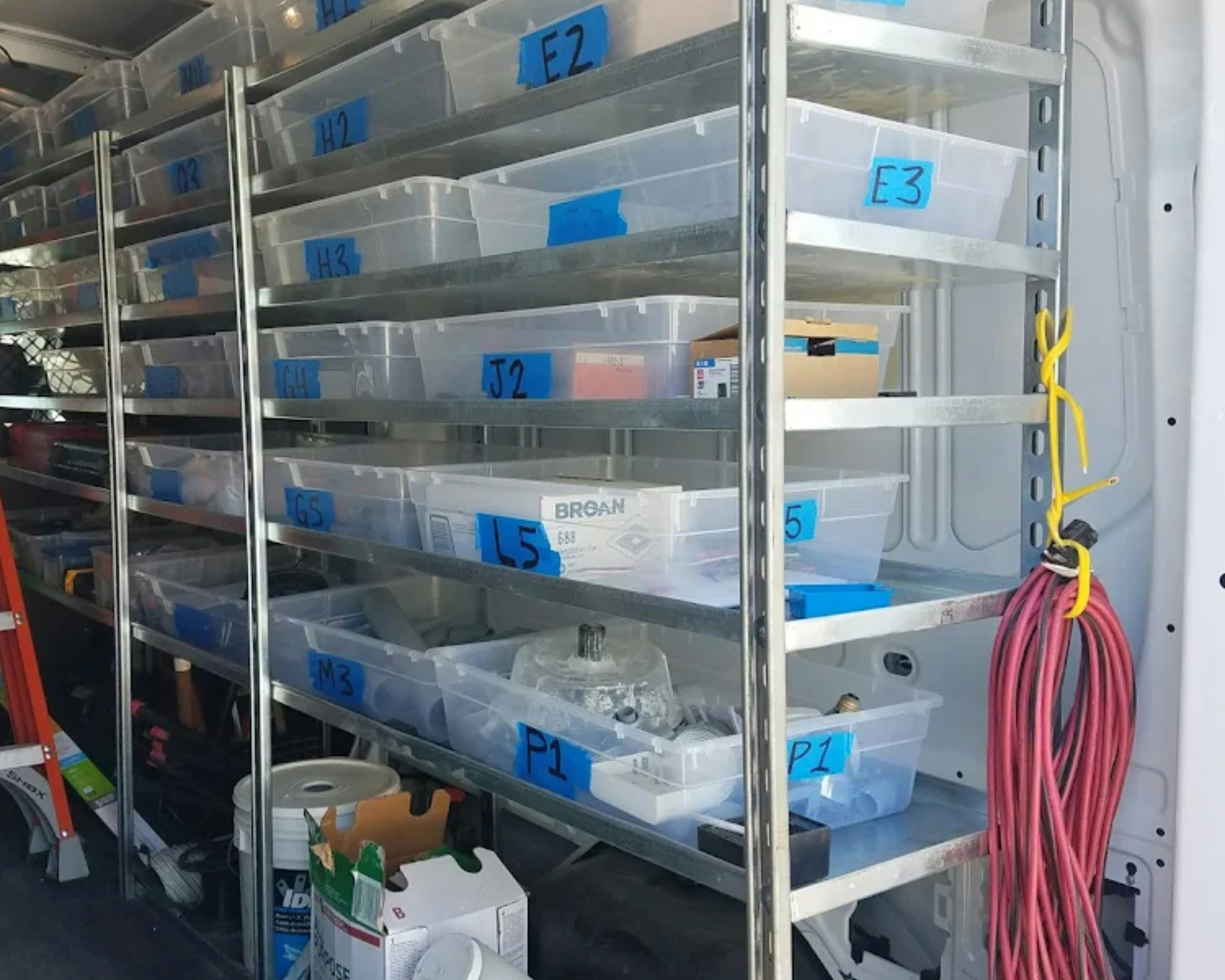
- Clear, Modular Containers: The best way to store craft supplies is in clear containers so you can see what's inside. Stackable drawers or shoebox-sized plastic bins are perfect.
- Sort by Type: Create a system that makes sense for you and your kids. Label bins for "Paint & Brushes," "Yarn & String," "Beads & Sequins," and "Paper & Stickers." This makes finding supplies easy and cleanup a breeze.
- The "Scrap Box": Have one bin dedicated to miscellaneous scraps—bits of felt, leftover yarn, off-cuts of paper, and stray wooden pawns. This "invention box" can be the starting point for a completely original creation, challenging kids to make something new from a random assortment of items.
Beyond the Instructions: Personalizing DIY Craft Projects
While DIY craft kits provide a wonderful starting point with clear instructions, their true magic is unlocked when kids are encouraged to think beyond the guide and make the project uniquely their own. This is where creativity blossoms, turning a simple craft into a personal statement. Giving children the freedom to customize and innovate teaches them that rules can be bent and their own ideas have value.
Encouraging Unique Creations with DIY Craft Kits
A craft kit's instructions should be seen as a suggestion, not a strict mandate. The goal is to empower children to see the materials as a toolbox for their own vision. Here are some effective ways to encourage this creative leap:
- "What If…?" Questions: Prompt their imagination by asking open-ended questions. "The box shows a blue bird, but what if yours was a rainbow bird from a magical land?" or "What if we add some of these shiny gems to the frame?" This invites them to consider alternatives without pressure.
- Supplement the Kit: Create a "booster box" of extra craft supplies that can be used to embellish any project. This box can contain glitter, stickers, buttons, feathers, and leftover pieces from other kits. When a child starts a new project, bring out the booster box and let them "shop" for extra details. This simple act can transform a standard kit into a multimedia masterpiece.
- Embrace "Happy Accidents": Sometimes, things don't go according to plan. A child might glue something in the "wrong" spot or choose unconventional colors. Frame these moments as "happy accidents" or "design choices." This builds resilience and teaches them that mistakes can often lead to the most interesting outcomes. For instance, a smudge of paint could become a cloud, and an incorrectly folded piece of paper might become a secret door.
- Focus on Story: Encourage your child to build a narrative around their creation. If they are making a mosaic figure from a kit like the GlassGlow Mosaic Artisan Figure Studio, ask them about the character. What is its name? Where does it live? What is it doing? This shifts the focus from just assembling a product to creating a character with a story, making the project more meaningful and personal.
By fostering this environment of creative freedom, you are teaching a far more valuable lesson than simply how to follow instructions. You are teaching them how to be innovators, problem-solvers, and confident creators.
Making Memories: The Keepsake Value of DIY Craft
The true, lasting value of a DIY craft project is not just the physical object that is created; it's the experience and the memories woven into it. A slightly lopsided clay pot or a friendship bracelet with a messy knot becomes a cherished keepsake precisely because of its imperfections and the story behind it. These items are time capsules, capturing a moment of childhood, a shared afternoon, or a newly discovered passion.
- Document the Process: The value of the keepsake is enhanced by the memory of making it. Take pictures or a short video of your child while they are engrossed in their project. Capture their look of concentration, their smile of pride, and their messy hands. Pair these photos with the finished project when you display it or store it in a keepsake box.
- Add a Personal Mark: Encourage children to "sign" their work. This can be their name, the date, or a special symbol. This simple act instills a sense of authorship and pride. For a project like a DIY Wooden chess game, you could write the date it was completed on the bottom of the board, forever marking the summer it was made.
- Crafting as a Shared Experience: The memories become even more potent when crafting is a shared activity. Working on a kit together—parent and child, or between siblings—creates a powerful bonding experience. These shared moments of collaboration, laughter, and mutual support are the real treasures. The finished craft serves as a physical reminder of that special time spent together.
- Gifting Hand-Made Creations: Encourage children to make their crafts as gifts for others. Creating something for a grandparent, teacher, or friend adds a layer of purpose and generosity to the activity. The act of giving something they poured their effort into is incredibly empowering and teaches the joy of heartfelt giving. The resulting keepsake holds sentimental value for both the creator and the recipient.
Ultimately, these handmade items dot our homes and our memories, serving as tangible anchors to the fleeting moments of childhood. They remind us of a quiet summer afternoon, the development of a new skill, and the simple, profound joy of creating something with our own two hands.
Budget-Friendly DIY Craft Fun: Using What You Have
While dedicated DIY craft kits are fantastic, fostering creativity doesn't have to come with a hefty price tag. Some of the most memorable and inventive crafting sessions can happen by simply looking at everyday household items in a new light. Encouraging kids to use what's already available teaches resourcefulness, environmental consciousness, and the priceless lesson that you don't need fancy supplies to be creative.
Repurposing Materials for Exciting DIY Craft
Your recycling bin is a treasure chest waiting to be discovered. Before you toss out cardboard boxes, plastic bottles, and paper tubes, pause and consider their creative potential. Teaching children to see value in these "throwaway" items is a powerful and sustainable mindset.
- The Cardboard Kingdom: Cardboard boxes are the ultimate building material. A large appliance box can become a magnificent fort, a sleek race car, or a cozy cottage. Smaller boxes can be transformed into dioramas, robot bodies, or doll furniture. Collect boxes of all sizes and let your child's architectural dreams run wild.
- Plastic Bottle Transformations: Washed plastic bottles and jugs can be turned into a surprising number of things. Cut the top off a bottle to make a planter, a pencil holder, or the base for a whimsical piggy bank. With a little paint and imagination, a collection of bottles can become a bowling set or a family of quirky rocket ships.
- The Versatile Tube: Cardboard tubes from paper towels and toilet paper are a classic craft supply for a reason. They can become binoculars for a backyard safari, enchanted castles, cute animal figures, or even a marble run when taped to a wall.
- From Old Fabric to New Fun: Don't throw away old t-shirts, worn-out jeans, or single socks. Old fabric can be cut into strips to weave on a cardboard loom, used as stuffing for homemade pillows, or fashioned into costumes. A lonely sock, with the help of some buttons and yarn, can be reborn as a charming hand puppet.
Finding Inspiration in Everyday Items for DIY Crafting
Beyond the recycling bin, your home and backyard are filled with potential craft supplies. The key is to shift your perspective and encourage your kids to go on an "inspiration scavenger hunt."
- Nature's Art Box: The outdoors is a free, fully stocked art supply store. Go for a nature walk and collect interesting leaves, smooth stones, sturdy twigs, and fallen petals. These items can be used for a multitude of projects:
- Leaf Rubbings & Prints: Place a leaf under a piece of paper and rub with the side of a crayon to reveal its texture.
- Pet Rock Families: Smooth stones can be painted to look like animals, monsters, or a family of colorful characters.
- Twig Sculptures: Use twigs and twine to build miniature log cabins, rustic picture frames, or fantastical forest creatures.
- Kitchen Cupboard Creativity: Your pantry holds more than just food. Uncooked pasta comes in various shapes and sizes, perfect for creating mosaics or threading onto string for jewelry. Dried beans and lentils can be glued onto paper to create textured art. Food coloring can be used to dye pasta or rice for a vibrant sensory bin experience.
- Repurposing Old Toys: Sometimes, toys break or fall out of favor. Instead of discarding them, see if they can be incorporated into a new creation. A broken toy car can become part of a larger junk-bot sculpture. Stray building blocks or game pieces, like single wooden pawns, can be painted and used as decorative elements in a diorama or mixed-media project.
By combining these found objects with basic supplies like glue, tape, and paint, you provide an infinite canvas for creativity. This approach not only saves money but also fosters a deep sense of ingenuity and appreciation for the world around us.
Key Takeaways
To make this summer a season of creativity, learning, and connection, embracing DIY crafts is one of the most effective strategies. For parents looking to provide meaningful, screen-free engagement, understanding the core benefits and practical approaches is key. This article has explored how to turn simple craft kits and everyday materials into powerful tools for fun and development.
Here are the essential points to remember:
- Crafting is More Than a Hobby: DIY projects are a crucial developmental activity. They enhance fine motor skills through hands-on manipulation, improve cognitive function by encouraging problem-solving and planning, and significantly boost a child's confidence and self-esteem upon completion of a project. Sourcing information from parenting and educational experts confirms that these activities are fundamental for well-rounded growth.
- Structure and Variety Are Your Allies: The vast world of DIY kits offers something for every child. From painting and sculpting to more intricate projects like a GlassGlow Mosaic Artisan Figure Studio or a build-your-own Wooden chess game, these kits provide a structured starting point that makes creativity accessible. Offering a variety of kit types throughout the summer can introduce children to new skills and help them discover hidden talents and passions.
- Embrace Organized Chaos: A common barrier to crafting is the fear of mess. This can be easily managed with simple preparation. Using protective coverings like plastic tablecloths, working on trays to contain small parts, and having cleaning supplies at the ready can transform a potentially chaotic session into a controlled, enjoyable experience. This preparation teaches children responsibility and makes the activity more sustainable for parents.
- Preserve the Memories, Not the Clutter: Acknowledge and celebrate your child’s creations, but develop a system for managing them. Create a rotating "gallery wall," take digital photos for an archive, and designate a special keepsake box for the most treasured items. For leftover supplies, use clear, labeled bins to create an organized "craft library" that encourages future creativity and makes cleanup efficient.
- Instructions are a Guideline, Not a Rule: The real magic happens when children are encouraged to personalize their projects. Prompt them with "what if" questions, provide a "booster box" of extra embellishments, and celebrate "happy accidents" as design innovations. This approach fosters true creativity, resilience, and a sense of ownership over their work.
- Creativity is Everywhere and often Free: You don't need expensive kits to have a fun crafting session. The recycling bin is a goldmine of materials like cardboard, plastic bottles, and fabric scraps. Supplement this with natural items found in your backyard, such as leaves, stones, and twigs, to teach resourcefulness and environmental awareness. This mindset shows children that inspiration is all around them.
- The Process is the Real Product: While the finished craft is a wonderful trophy, the most valuable part of the experience is the process itself. The shared time, the problem-solving, the laughter, and the pride in creating something from scratch are what build lasting memories. These shared experiences strengthen family bonds and create sentimental value that far outlasts the physical object.
By integrating these principles, you can make this summer not just fun, but a truly formative period of growth and connection for your children.
Frequently Asked Questions (FAQ)
1. At what age can my child start using DIY craft kits?
This is a great question, as readiness for craft kits depends more on developmental stage than chronological age. Generally, you can introduce simple crafts around 18 months to 2 years old. At this stage, focus on sensory and motor skill development with activities like finger painting with edible, non-toxic paint, playing with dough, or using large, chunky crayons. As toddlers grow (ages 2-4), they can handle kits with larger components, like stringing oversized wooden beads or sticker art projects. Preschoolers (ages 4-5) are typically ready for kits that require more dexterity, such as simple sewing cards, basic cutting and pasting, and beginner painting sets. From age 6 and up, the options expand dramatically to include more complex model building, beginner jewelry making, and themed kits like science experiments or mosaics. Always check the manufacturer's age recommendation on the box, as it's a good guide for safety (small parts) and complexity.
2. How do I encourage a child who gets easily frustrated or says they "can't do it"?
Frustration is a common and normal part of the creative process, and how you respond can make a huge difference. First, validate their feelings by saying, "I can see this is tricky, it's okay to feel frustrated." Avoid dismissing their concerns. Second, break the project down into very small, manageable steps. Instead of focusing on the finished product, just focus on the immediate next action: "Let's just glue this one piece here," or "How about we just paint this one small section green?" Celebrating these tiny victories builds momentum. Third, work alongside them without taking over. You can start your own version of the craft, modeling a positive attitude and talking through your own 'mistakes.' Finally, emphasize that there is no "wrong" way to be creative. If their creation doesn't look like the picture on the box, that's fantastic! It means they made it their own. The goal is the process and the fun, not perfection.
3. My child loves starting crafts but never finishes them. How can I help them complete a project?
This is a very common challenge, often stemming from a short attention span or feeling overwhelmed by the scope of the project. Here are a few strategies. First, choose projects that can be completed in a short amount of time. Look for "mini kits" or crafts that take 30 minutes or less to finish. The satisfaction of quick completion can be very motivating. Second, create a dedicated "work in progress" space. If a project requires drying time or multiple steps, have a specific tray or corner where it can be safely kept until the next session. This signals that the project is important and not forgotten. Third, turn it into a shared goal. You can use a simple chart or just verbal encouragement: "We're halfway done! Let's try to finish the last two steps after lunch." Lastly, don't force it. If a child has truly lost interest, it's better to put the kit away and try again another day than to turn a fun activity into a chore. You can always salvage the leftover materials for a different, more inspiring project later.
Whether it's a rainy day, a scorching hot afternoon, or a quiet moment craving connection, I truly believe that DIY craft kits offer endless possibilities for summer fun and learning. They are more than just a box of supplies; they are an invitation to explore, to create, and to make memories that will be cherished long after the season ends.
So, let's clear a space on the table, embrace a little bit of creative mess, and dive into the wonderful world of crafting. Let's grab some DIY craft kits—or simply raid the recycling bin—and make this summer an unforgettable adventure for our little ones