Everything You Need to Know About DIY Beading and Jewelry Making
- Share
- Issue Time
- Jan 22,2026
Summary
This comprehensive guide explores the art of DIY bead bracelet making, offering detailed instructions and creative inspiration for both beginners and experienced crafters. It emphasizes that crafting personalized jewelry is a rewarding way to express individuality and create unique accessories. The guide covers essential tools, diverse bead types, inspiring design ideas, and expert techniques to aid in the DIY bracelet adventure. Key takeaways highlight the importance of foundational knowledge,
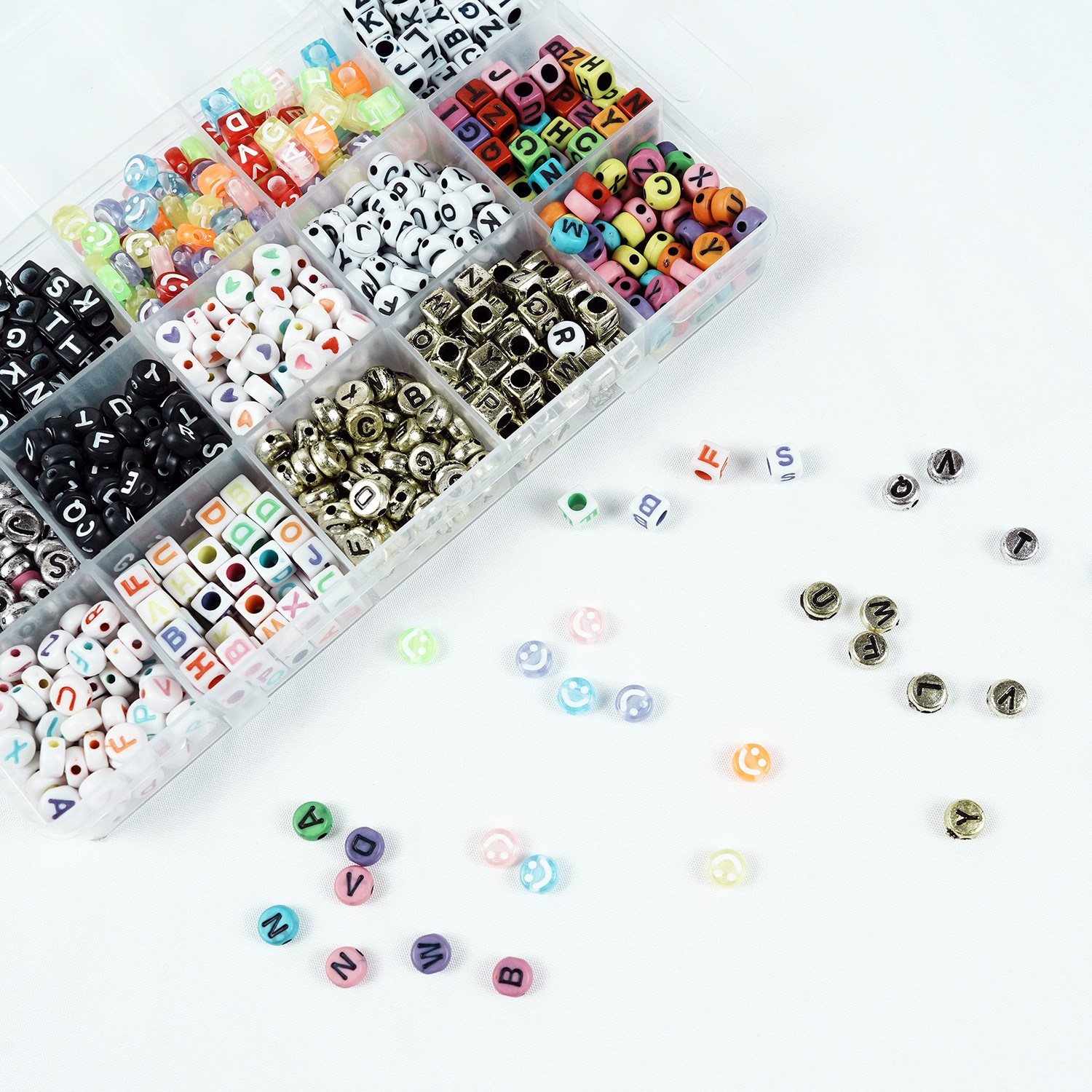
Hello fellow crafters! I'm excited to share a comprehensive guide to one of my favorite creative outlets: DIY BEADS BRACELET making. Whether you're a beginner or looking to refine your skills, this outline will provide everything you need to know about beading and jewelry making. Making your own beaded bracelets offers a rewarding way to express your personality and create unique accessories. From choosing the perfect beads to mastering various techniques, I'll walk you through the journey of crafting beautiful wearable art. As a dedicated Creative Life Product Solution Provider, we believe that creativity is a journey, and every beautiful piece starts with a single bead. Join me as we explore the essential tools, diverse bead types, inspiring design ideas, and expert tips to help you on your DIY BEADS BRACELET adventure!
Key Takeaways
Creating your own DIY bead bracelets is a fulfilling hobby that allows for endless creativity. This guide will walk you through every essential step, from gathering the right tools to mastering advanced techniques.
- Foundational Knowledge is Key: Begin by understanding the essential tools like pliers, cutters, and bead stoppers, as well as the different types of stringing materials such as beading wire, elastic cord, and thread. Choosing the correct findings, like clasps and crimp beads, is crucial for a durable and professional finish.
- Bead Selection Drives Design: The beauty of your bracelet lies in the beads. Explore a variety of materials including glass, stone, metal, and wood. Understanding how bead size (measured in millimeters) and shape affect your design is fundamental to planning your project.
- Design is Personal: Draw inspiration from everything around you—nature, art, culture, and even everyday objects. Experiment with color patterns like ombre, color blocking, and solids. Personalize your creations by adding charms or letter beads to make them uniquely yours.
- Technique Determines the Outcome: Start with simple stringing and learn to secure your bracelets properly using knots or crimp beads. As you advance, you can explore more intricate techniques like Kumihimo braiding or bead weaving stitches such as peyote and brick stitch to create complex, stunning pieces.
- Organization Fuels Creativity: A well-organized workspace is essential for an efficient and enjoyable beading process. Set up a dedicated area with good lighting and use smart storage solutions to keep your beads and tools sorted and accessible. This not only saves time but also helps in visualizing new design possibilities.
Getting Started with Your DIY BEADS BRACELET Journey
Embarking on the journey of making your own beaded bracelets is an exciting endeavor that blends creativity with hands-on skill. It's a craft accessible to everyone, regardless of prior experience. The initial steps are all about familiarizing yourself with the fundamental components and materials that will serve as the building blocks for all your future creations. This foundational stage involves learning about the specific tools that make the process smoother, understanding the different stringing materials that provide structure, and selecting the perfect beads that will bring your vision to life. By investing time in understanding these basics, you set yourself up for a more enjoyable and successful beading experience, ensuring your finished bracelets are not only beautiful but also durable and well-crafted.
Essential Tools and Supplies for Every DIY BEADS BRACELET Maker
Before you can string your first bead, you'll need to assemble a basic toolkit. Having the right tools and supplies on hand is the first step toward creating professional-looking jewelry. A well-equipped workstation, even a simple one, can make a significant difference in the quality of your work and your overall enjoyment of the process. Below, we'll break down the must-have items for every aspiring bracelet maker, from essential tools to the tiny components that give your pieces a polished finish.
A collection of essential beading tools laid out on a work surface.
Basic Tools: Pliers, Scissors, and More
Your hands are your primary tools, but a few specialized instruments will make your DIY bracelet projects much easier and more professional. These tools are designed to handle delicate materials and perform specific tasks that are difficult to achieve otherwise.
- Round-Nose Pliers: These are essential for creating loops and curves in wire. The tapered jaws allow you to make consistent loops for attaching clasps or creating wire-wrapped elements.
- Chain-Nose or Flat-Nose Pliers: These pliers have flat, smooth jaws, perfect for gripping wire, opening and closing jump rings, and flattening crimp beads. Having two pairs can be very helpful for tasks like opening jump rings, where you need to grip both sides.
- Wire Cutters: A good pair of flush cutters is indispensable for getting a clean, close cut on beading wire, cord, and headpins. A flush cut ensures that no sharp or poky ends are left on your jewelry.
- Bead Mat or Beading Board: A bead mat has a textured surface that prevents beads from rolling away. A beading board takes this a step further, often featuring measurement markings and channels to lay out your bracelet design before stringing, helping you visualize the final product and get the length just right.
- Scissors: A sharp pair of scissors is necessary for cutting softer stringing materials like elastic cord, leather, or nylon thread.
- Ruler or Tape Measure: Accurate measurements are crucial for creating bracelets that fit perfectly. A flexible tape measure is ideal for measuring your wrist, while a ruler works well for measuring stringing material and planning your bead layout.
Stringing Materials: Cords, Wires, and Threads
The stringing material is the backbone of your bracelet. The type you choose will depend on the weight and type of beads you're using, the desired drape and flexibility of the bracelet, and the overall design.
| Material Type | Best For | Description |
|---|---|---|
| Beading Wire | General purpose, strong designs with clasps | Composed of multiple tiny steel wires twisted together and coated in nylon. It's strong, durable, and has a nice drape. Brands like Beadalon and Soft Flex are industry standards. It is secured with crimp beads. |
| Elastic Cord | Stretchy, easy-to-wear bracelets | A flexible, stretchy cord perfect for simple bracelets without a clasp. It comes in various thicknesses; a 0.7mm or 1mm cord is a good all-purpose choice. Securing it with a strong knot, like a surgeon's knot, is key. |
| Nylon Thread | Bead weaving, delicate seed bead work | Brands like Nymo or FireLine are popular choices. This thread is thin but strong, designed to pass through small bead holes multiple times. It's ideal for off-loom stitches like peyote or brick stitch. |
| Leather or Waxed Cotton Cord | Casual, rustic, or macrame designs | These materials offer a natural, earthy look. They are great for stringing larger hole beads or for knotting techniques. They are typically finished with sliding knots or by attaching cord ends. |
| Memory Wire | Pre-formed cuff bracelets | This hardened steel wire holds its coiled shape, making it incredibly easy to use. Simply string on beads and loop the ends to secure them. It springs back to its original form, fitting a variety of wrist sizes. |
Fasteners and Findings: Clasps, Crimp Beads, and Jump Rings
Findings are the metal components that turn a string of beads into a functional piece of jewelry. They provide the finishing touches and are essential for security and durability.
- Clasps: The mechanism that opens and closes the bracelet. The choice of clasp depends on the bracelet's style and weight.
- Lobster Clasps: A very common and secure option, great for most bracelet types.
- Toggle Clasps: A two-part clasp (a bar and a ring) that is both decorative and functional. They are best for medium to heavy bracelets where the weight helps keep the bar in place.
- Magnetic Clasps: Easy to use, making them a great choice for those with dexterity issues. However, they should only be used for lightweight bracelets as a strong pull can open them.
- Crimp Beads or Tubes: These small metal beads are used to secure beading wire. You place a crimp bead on the wire, loop the wire through a clasp, pass it back through the crimp, and then squeeze the crimp flat with pliers to lock it in place. Crimp tubes are generally considered more secure than round crimp beads.
- Jump Rings: Small metal rings used to connect different components, such as attaching a clasp to the end of a bracelet or adding a charm. They should be opened by twisting the ends apart, not pulling them open, to maintain their shape and strength.
- Bead Tips or Calottes: These findings are used to hide knots in thread and provide a professional-looking loop for attaching a clasp. The thread is knotted, the knot is placed inside the "clamshell" of the bead tip, and it is closed shut.
- Crimp Covers: Small, C-shaped beads that fit over a flattened crimp bead. They are squeezed shut to form a neat, round bead, hiding the crimp and giving the bracelet a more polished, seamless look.
Choosing the Perfect Beads for Your DIY BEADS BRACELET
The beads are the heart and soul of your bracelet, offering endless possibilities for color, texture, and style. The world of beads is vast and exciting, with materials ranging from natural stones to precisely engineered glass. Understanding the different types available will empower you to make intentional design choices and create pieces that are truly unique. Your selection will influence not only the look but also the feel, weight, and durability of your bracelet.
Exploring Different Bead Materials: Glass, Stone, Metal, and Clay
Each bead material brings its own unique character to a piece of jewelry. The interplay of light, color, and texture is what makes beadwork so captivating. Here’s a look at some of the most popular materials you'll encounter.
- Glass Beads: One of the most versatile and widely available bead types.
- Seed Beads: Tiny, uniform beads perfect for intricate weaving and detailed patterns.
- Czech Glass: Known for its high quality, uniform shape, and vast array of colors and finishes, including fire-polished styles.
- Lampwork Beads: Each bead is individually handmade by melting glass rods in a flame, resulting in unique, artistic creations.
- Crystal Beads: Brands like Swarovski or Preciosa offer faceted glass beads with exceptional sparkle and brilliance.
- Stone Beads: These beads offer a connection to the natural world, with each one having unique markings and variations.
- Gemstones: From vibrant turquoise to deep amethyst, gemstone beads add a touch of luxury and are often associated with specific meanings or healing properties.
- Lava Stone: A porous, lightweight volcanic rock, perfect for diffusing essential oils in aromatherapy bracelets.
- Metal Beads: Metal beads can be used as focal points, spacers, or accents to add shine and sophistication. They can be made from sterling silver, gold-filled materials, copper, brass, or plated base metals. Their weight and cool touch add a sense of quality to a design.
- Clay Beads:
- Polymer Clay Beads: Lightweight and available in every color imaginable, polymer clay beads can be molded into countless shapes and patterns, making them a favorite for custom, artistic designs.
- Ceramic and Porcelain Beads: These are fired in a kiln and can be glazed for a glossy or matte finish. They often feature hand-painted details and lend an artisanal feel to jewelry.
- Natural Materials:
- Wood and Seed Beads: Lightweight and earthy, they are perfect for bohemian or rustic styles.
- Shell and Pearl Beads: Offering organic shapes and iridescent luster, pearls (both freshwater and shell pearls) bring a classic elegance to any design.
Understanding Bead Sizes and Shapes for Diverse Designs
The size and shape of your beads are just as important as their material. Consistent sizing is key for structured patterns, while mixing sizes and shapes can create interesting textures and visual rhythm.
Bead Sizing: Bead size is typically measured in millimeters (mm) at the bead's widest point.
- Small Beads (2mm - 4mm): This range includes most seed beads and small spacer beads. They are great for delicate bracelets or as fillers between larger beads.
- Medium Beads (6mm - 8mm): This is the most common size range for bracelets. Beads in this size are large enough to show detail but not so large that they become bulky. An 8mm bead is a popular choice for a standard single-strand bracelet.
- Large Beads (10mm and up): These beads make a statement and are often used as focal points or in bold, chunky designs.
A helpful tip is to lay your beads out on a ruler to see how many you'll need to reach your desired bracelet length. For example, to make a 7-inch bracelet, you would need about twenty-two 8mm beads.
Bead Shapes:
- Round: The classic, versatile shape.
- Rondelle: A flattened, disc-like shape, often used as a spacer.
- Bicone: A faceted bead that is wider in the middle and tapered at both ends, like two cones joined at the base.
- Cube: A modern, geometric shape.
- Chip: Irregularly shaped pieces of stone, offering a very natural, organic texture.
- Tube: Cylindrical beads that can be used to create spacing and structure in a design.
Multi-Hole Beads for Advanced DIY BEADS BRACELET Projects
For those looking to move beyond simple stringing, multi-hole beads open up a world of three-dimensional and intricate design possibilities. These beads have two or more holes, allowing for complex thread paths and structural connections.
- Two-Hole Beads: These have become incredibly popular in the beading community. They allow you to connect strands, create intricate latticework, and build dimensional shapes. Popular types of two-hole beads include:
- SuperDuo™ or Twin™ Beads: Oval-shaped beads with two holes, designed to nestle together perfectly.
- Tilα Beads: Flat, square beads with two parallel holes, ideal for creating mosaic-like patterns.
- Brick Beads: Rectangular beads with two holes, which can be stacked like bricks.
- Three-Hole and Four-Hole Beads: Beads like the RounTrio or QuadraTile push the boundaries even further, enabling the creation of complex junctions and bezels within a bead-woven piece.
Working with multi-hole beads often involves bead-weaving techniques and requires following a pattern or diagram. They challenge you to think about structure and thread paths in a new way, leading to stunningly complex bracelets that look far more complicated than they are to create.
Designing Your Unique DIY BEADS BRACELET Creations
The design phase is where your personal style truly begins to shine. This is the moment you move from simply learning techniques to becoming an artist. A successful bracelet design is a thoughtful combination of color, pattern, and texture that reflects a specific mood, tells a story, or simply brings you joy. Inspiration is all around you, waiting to be translated into wearable art. Whether you prefer minimalist elegance or bold, expressive statement pieces, the principles of design can help you bring your unique vision to life.
Finding Inspiration for Your DIY BEADS BRACELET Designs
Creativity doesn't happen in a vacuum. The most compelling designs often stem from a spark of inspiration found in the world around us. The key is to keep your eyes and mind open, learning to see the patterns, color combinations, and textures in your environment. Here are some places to look for that initial spark.
Everyday Objects as Muse: From Candy Wrappers to Teacups
You don't need to travel to exotic locations to find inspiration; it's right in front of you. The vibrant, graphic design on a candy wrapper, the delicate floral pattern on a vintage teacup, or the geometric lines of modern architecture can all be translated into a bracelet design.
- Look at Packaging: Notice the color palettes used on your favorite snacks, cosmetics, or book covers. A brand's color scheme is carefully chosen to evoke a certain feeling—you can borrow that color theory for your bracelet.
- Explore Your Home: The texture of a woven blanket, the arrangement of tiles in your bathroom, or the colors in a decorative rug can all spark an idea for a pattern.
- Pay Attention to Fashion: Look at the patterns and color combinations in clothing and textiles. A striped shirt could inspire a striped bracelet, while a paisley scarf could suggest a more intricate, flowing design.
Nature's Palette: Colors and Textures
Nature is perhaps the ultimate source of artistic inspiration, offering a flawless and endless supply of color combinations and textures. Taking a walk outside can be one of the most fruitful design exercises you can do.
Nature's color palettes, like the soft gradient on this succulent, are a perfect source of inspiration.
- Landscapes: A beach scene can inspire a palette of sandy beige, soft blues, and white foam. A forest walk might suggest a combination of earthy browns, deep greens, and pops of color from wildflowers.
- Sunsets and Sunrises: These daily spectacles provide breathtaking gradient color schemes, perfect for an ombre-style bracelet. Note the transition from fiery orange and pink to deep purple and indigo.
- Flora and Fauna: The vibrant colors of a butterfly's wing, the subtle shades on a seashell, the intricate pattern of a leaf, or the rich hues of a flower petal are all perfect starting points for a bead palette. Take a photo of something that catches your eye and use a color picker tool to isolate the main hues.
The Influence of Art and Culture in DIY BEADS BRACELETs
Jewelry and beading have been an integral part of human culture for thousands of years, serving as decoration, status symbols, and spiritual talismans. Tapping into this rich history can add depth and meaning to your work.
- Art History: Explore different art movements. The bold, primary colors and geometric shapes of the Bauhaus movement could inspire a modern, graphic bracelet. The soft, romantic pastels of Impressionist paintings could translate into a delicate, dreamy design.
- Cultural Beadwork: Research the traditional beadwork of different cultures, such as the intricate patterns of Native American beadwork, the vibrant colors of Maasai jewelry from Africa, or the symbolic designs of Ukrainian beadwork. While it's important to be respectful and avoid direct appropriation, you can learn a great deal about color, symbolism, and technique from these rich traditions.
- Architecture and Decor: The intricate mosaics of a Moroccan riad, the clean lines of Japanese design, or the opulent details of Art Deco architecture can all provide a wealth of ideas for patterns and shapes.
Popular DIY BEADS BRACELET Design Ideas and Techniques
Once you have an idea, it's time to translate it into a tangible pattern. There are countless ways to arrange beads on a string, from simple and classic to complex and eye-catching. Here are some popular design approaches to get you started.
Random, Solid, Stripes, and Color Block Designs
These foundational patterns are the building blocks of bracelet design and are perfect for beginners.
- Random/"Confetti" Style: This is the most forgiving of all patterns. Simply mix a variety of your favorite beads together in a bowl and string them as they come. The key to a successful random design is to start with a cohesive color palette so that even in its randomness, the design feels harmonious.
- Solid Color: A bracelet made from a single color of beads is timeless and elegant. The focus shifts to the texture, shape, and finish of the beads themselves.
- Stripes and Patterns: Creating a repeating pattern is a great way to make a more intentional design. This can be as simple as alternating two colors (A-B-A-B), or a more complex sequence (A-A-B-C-B-A-A). Write down your pattern before you start to help you keep track.
- Color Blocking: This involves using large, distinct sections of solid colors next to each other. For example, the first third of your bracelet could be blue, the middle third white, and the final third red. This technique creates a bold, modern look.
Adding Charms, Letter Beads, and Metal Accents to Your DIY BEADS BRACELET
Personalizing your bracelet with unique elements makes it truly your own. Charms and other accents can add meaning, movement, and a professional touch.
- Charms: Charms can represent hobbies, beliefs, memories, or loved ones. They are typically added by attaching them to the bracelet with a jump ring. You can add a single charm as a focal point or multiple charms for a classic charm bracelet look.
- Letter Beads: Spell out a name, a meaningful word, or a fun phrase. Letter beads are a fantastic way to create personalized friendship bracelets or gifts. Integrate them as the central feature or scatter them throughout your design.
- Tassels and Dangles: Small tassels made from embroidery floss or chain dangles can add texture and movement to the end of a bracelet, often near the clasp.
- Metal Spacer Beads: Using small metal beads (in silver, gold, brass, etc.) between your more colorful beads can elevate the entire design. They add a touch of shine, create visual separation between colors, and can make a handmade bracelet look more like high-end jewelry.
The Art of Ombre and Themed DIY BEADS BRACELETs
For those looking to create more visually complex and cohesive pieces, exploring ombre effects and themes is a great next step.
- Ombre Bracelets: An ombre design features a gradual transition from one color to another, usually from a light shade to a dark shade of the same color (e.g., light pink to magenta) or between two different colors (e.g., yellow to green). To achieve this, you'll need several shades of beads. Arrange them in order before stringing to ensure a smooth, seamless gradient.
- Themed Bracelets: A themed bracelet is designed around a single concept. This is where your inspiration-gathering pays off.
- Seasonal Themes: A "Winter" bracelet might use cool blues, whites, and sparkly silver beads. An "Autumn" theme could feature warm oranges, reds, browns, and golds.
- Conceptual Themes: A "Galaxy" bracelet could use dark blues, purples, and black beads with silver accents to represent stars. A "Mermaid" theme might incorporate iridescent greens, blues, and purples with shell charms.
- Storytelling Themes: You can even create a bracelet that tells a story, with each bead or charm representing a character, place, or event from a favorite book, movie, or personal memory.
Mastering DIY BEADS BRACELET Making Techniques
Once you've gathered your tools, selected your beads, and dreamed up a design, it's time for the most satisfying part: bringing it all together. Mastering the fundamental techniques of construction is what separates a bracelet that's merely a string of beads from one that is a durable, beautifully finished piece of wearable art. We'll start with the basics of creating a simple strung bracelet from start to finish, and then explore some more advanced techniques that will allow you to create even more intricate and unique designs.
Step-by-Step Guide to Creating a Simple DIY BEADS BRACELET
This guide will walk you through the creation of a classic single-strand bracelet using beading wire and a clasp—a foundational skill for any jewelry maker.
Measuring Your Wrist and Planning Your Design
Proper sizing is the first step to creating a comfortable and wearable bracelet.
- Measure Your Wrist: Take a flexible tape measure and wrap it snugly but not tightly around your wrist, right where you would normally wear a bracelet. Note this measurement.
- Determine Bracelet Length: To calculate the final length of your bracelet, you need to add some ease for comfort and to account for the space the clasp takes up.
- For a snug fit, add 1/2 to 3/4 inch (1.3 to 1.9 cm) to your wrist measurement.
- For a comfort fit, add 1 inch (2.5 cm).
- For a loose fit, add 1 1/4 inches (3.2 cm). This final number is your target bracelet length.
- Plan and Lay Out Your Beads: Cut a piece of beading wire that is at least 4-6 inches longer than your desired bracelet length. This extra wire gives you plenty of room to work when adding the clasp. Lay your beading board or bead mat on your work surface. Arrange your beads in the order you plan to string them, using the ruler on your beading board to check if the length matches your target. Don't forget to factor in the length of your clasp in this measurement.
Stringing Beads and Securing the Ends with Knots or Crimps
This is where your design comes to life. The method for securing the ends depends on your chosen stringing material.
For Beading Wire (Using Crimps): This is the most professional and secure method for non-stretchy bracelets.
- Attach the First Half of the Clasp: Thread a crimp bead onto one end of your beading wire. Then, thread on one half of your clasp (e.g., the lobster claw part).
- Loop the Wire: Loop the tail end of the wire back around and pass it back through the crimp bead and the next one or two beads in your sequence. This creates a secure loop that holds the clasp.
- Crimp the Bead: Gently pull the wire to tighten the loop, leaving a tiny bit of space so the clasp can move freely. Use your chain-nose or crimping pliers to flatten the crimp bead firmly. If using crimping pliers, first use the inner notch to create a divot, then turn the crimp 90 degrees and use the outer notch to round it into a neat, secure bead.
- String Your Beads: Now, string all of your beads onto the wire according to your planned design.
- Attach the Second Half of the Clasp: Once all beads are on, thread on another crimp bead, followed by the other half of your clasp (e.g., the jump ring).
- Secure the Final End: Loop the wire back through the crimp bead and the last few beads on the strand. Pull the wire taut so there are no gaps between beads, but ensure the bracelet still has enough flexibility to curve. Crimp the second crimp bead just as you did the first.
- Finish: Trim the excess wire tail as close to the beads as possible using your flush cutters.
For Elastic Cord (Using Knots):
- Pre-Stretch: Before stringing, give your elastic cord a gentle stretch to prevent it from stretching out and sagging after the bracelet is finished.
- String the Beads: String your beads onto the elastic.
- Tie the Knot: The most recommended knot for this purpose is the Surgeon's Knot. To tie it, cross the two ends and wrap one end over and through the loop twice. Pull it snug. Then, cross the ends again and wrap one end over and through the loop one more time. Pull the knot extremely tight.
- Secure the Knot: For added security, add a tiny dab of jewelry glue (like GS Hypo Cement) or clear nail polish to the knot. Once the glue is dry, you can trim the ends and, if possible, hide the knot inside one of the adjacent beads.
Optional: Using Crimp Covers for a Polished Finish
A crimp cover is a small detail that makes a big impact on the finished look of your jewelry. It turns a functional (and sometimes unsightly) flattened crimp into what looks like a beautiful, seamless part of the design.
- Select the Right Size: Crimp covers come in different sizes (e.g., 3mm, 4mm). Choose a size that will comfortably fit over your flattened crimp bead.
- Position the Cover: A crimp cover looks like a "C" or a Pac-Man shape. Using your chain-nose pliers, carefully place the open side of the cover over the crimp bead.
- Gently Close the Cover: Use your chain-nose pliers to gently squeeze the cover shut. Apply even pressure and rotate the pliers as you squeeze to help it form a nice, rounded shape. Be careful not to crush it. The goal is to bring the two edges together so it resembles a small metal bead, effectively hiding the crimp.
Exploring Advanced DIY BEADS BRACELET Techniques
Once you're comfortable with basic stringing, a whole new world of beading awaits. Advanced techniques allow you to create intricate patterns, textures, and structures that aren't possible with a single strand.
A Kumihimo disk being used to create a beautifully braided cord for a bracelet.
Kumihimo Braiding: An Ancient Art for Modern Bracelets
Kumihimo is a Japanese form of braid-making. Modern crafters use foam Kumihimo disks (either round for round braids or square for flat braids) to create intricate and surprisingly strong cords.
- How it Works: Cords or threads are arranged around the numbered slots of the disk. You then follow a simple, repetitive sequence of moving the cords from one slot to another to form the braid.
- Adding Beads: You can pre-string beads onto your cords before you start braiding. As you work, you slide a bead down into the center of the braid before making the next move. This incorporates the beads directly into the woven structure, creating stunningly detailed and textured bracelets. Kumihimo is perfect for using smaller beads like seed beads or 4mm crystals.
Bead Weaving and Other Intricate Methods for Your DIY BEADS BRACELET
Bead weaving, also known as off-loom weaving, uses a needle and thread to stitch beads together into a flat or sculptural fabric. This technique doesn't rely on a stringing material as the structure; the thread path itself creates the structure.
- Peyote Stitch: One of the most popular bead-weaving stitches. Beads are stitched in a staggered pattern, similar to brickwork. It can be worked flat (for a bracelet band), in a circle, or even to encase other beads or stones.
- Brick Stitch: Similar in appearance to peyote stitch, but the construction method is different. Beads are stitched onto the threads that lie between the beads of the previous row. It's great for creating shaped and sculpted designs.
- Right-Angle Weave (RAW): This stitch creates a supple, flexible fabric of interconnected bead units. It's very versatile and can be used to create lacy designs or structured, three-dimensional forms.
- Herringbone Stitch (Ndebele): Named after the Ndebele people of South Africa, this stitch creates a beautiful, textured, and slightly slanted pattern that drapes wonderfully, making it ideal for bracelets.
These advanced techniques require patience and practice, but they open up limitless creative potential, allowing you to create truly unique, heirloom-quality jewelry.
Organizing Your Workspace and Beads for Efficient DIY BEADS BRACELET Creation
A well-organized workspace is the secret weapon of a happy and productive crafter. When your tools are within reach and your beads are sorted and visible, you can spend less time searching and more time creating. An organized space not only streamlines the physical process of making bracelets but also clears your mind, allowing inspiration to flow more freely. Setting up a "beading sanctuary" and developing a system for your stash will transform your hobby from a chaotic treasure hunt into a serene and joyful practice.
Setting Up Your Beading Sanctuary for DIY BEADS BRACELET Projects
Your crafting space doesn't need to be large, but it should be dedicated to your hobby. Whether it’s a whole room, a corner of your living room, or a portable lap desk, making it comfortable and functional is key.
Creating a Dedicated Workspace: Comfort and Functionality
The ideal workspace is tailored to your needs and promotes good posture and visibility.
- Good Lighting is Non-Negotiable: Beading involves working with small, detailed items. A well-lit space is crucial to prevent eye strain. Natural daylight is best, but a good desk lamp with a daylight-spectrum bulb is an excellent alternative. An adjustable or magnifying lamp can be especially helpful for intricate seed bead work.
- A Comfortable Chair and Proper Desk Height: You may spend hours at a time beading, so ergonomic comfort is important. Choose a chair that supports your back and sit at a surface that allows your arms to rest at a comfortable angle.
- A Contained Work Surface: A large bead mat or a tray with a raised edge is a must-have. This defines your immediate workspace and, most importantly, keeps beads from rolling off the table and onto the floor.
- Keep Essential Tools Handy: Use a tool caddy, a cup, or a magnetic holder to keep your pliers, cutters, and scissors within easy reach. You shouldn't have to rummage through a drawer to find your most-used tools.
Smart Storage Solutions for Beads and Findings
As your collection grows, so does the need for a smart storage system. The goal is to keep your beads protected, sorted, and easy to see.
- Clear, Stackable Containers: Small, clear plastic containers with individual compartments are the gold standard for bead storage. They allow you to see exactly what you have at a glance, and many are designed to stack, saving space. Look for containers with adjustable dividers to accommodate different bead sizes.
- Tube Storage: For seed beads, tall, thin plastic or glass tubes with caps are an excellent solution. They can be stored upright in a box or rack, making it easy to pick out colors.
- -Tackle Boxes: Found in sporting goods stores, these are often cheaper than specialized craft storage and work just as well, offering lots of small compartments for findings and beads.
- Label Everything: Whether you're storing beads in containers, bags, or tubes, take the time to label them. You can label by size, material, color, or even the date you bought them. This is especially helpful if you need to buy more of a specific bead for a project.
- Vertical Storage: Use wall-mounted shelves or pegboards to get your supplies off your desk and utilize vertical space. Small shelves are perfect for holding jars of beads, while pegboards can hold tools and hanks of stringing material.
Streamlining Your DIY BEADS BRACELET Stash
A bead collection can quickly become overwhelming. Periodically taking the time to declutter and reorganize is essential for maintaining a functional and inspiring stash. It helps you rediscover forgotten treasures and makes the creative process much more enjoyable.
Decluttering and Reorganizing Your Bead Collection
Just like cleaning out a closet, sorting through your bead stash can feel like a fresh start.
- Gather Everything: Pull out all your beads from every nook and cranny. Seeing your entire collection in one place gives you a realistic idea of what you have.
- Sort and Purge: Go through your beads and be honest. Are there beads you bought years ago for a project you never started? Colors you no longer like? Beads of poor quality? Create a "destash" pile for beads you can sell, trade, or donate to schools or craft groups.
- Clean as You Go: Wipe down your containers before putting beads back in. This is also a good time to untangle any chains or wires that have gotten mixed up.
- Consolidate: You may find you have three half-empty bags of the same 6mm black glass beads. Consolidate them into a single, well-labeled container.
Categorizing Beads for Easy Access and Continued Inspiration
There's no single "right" way to organize beads; the best system is the one that works for your brain. The goal is to be able to find what you're looking for quickly and to be inspired by browsing your collection.
Consider sorting your beads using one or a combination of these methods:
- By Color: This is one of the most popular methods. Sorting your beads into a rainbow of colors is not only visually stunning but also makes it incredibly easy to create color palettes for new designs. You can have a container for reds, one for blues, and so on.
- By Material: You might prefer to keep all your gemstone beads together, separate from your glass beads, metal beads, and wood beads. This is helpful when you're looking for a specific type of material.
- By Size: For beaders who do a lot of pattern work, sorting by size (e.g., all 8mm beads together, all 4mm beads together) can be very efficient. This is especially true for seed beads, where size consistency is critical.
- By Project: If you often buy beads for a specific project, you can keep them together in a "kit" in a small bag or box. Label the kit with the project name so you can grab it and go when you're ready to start.
Ultimately, a hybrid system often works best. For example, you might have a large drawer system organized by color, and within each color drawer, you use smaller containers to separate beads by material or size. Experiment to find the system that makes your creative heart sing.
Inspiration from a Master: Zoya Gutina's Journey in Beading and DIY BEADS BRACELET Art
To truly appreciate the artistry of beading, it's inspiring to look at the work and journey of master artisans who have dedicated their lives to the craft. Zoya Gutina is one such artist, whose intricate and imaginative beadwork has captivated a global audience. Her story is a testament to how a simple hobby can evolve into a profound artistic passion and a successful career. Examining her path offers valuable insights and encouragement for anyone embarking on their own DIY beading adventure.
Zoya Gutina's Introduction to the World of DIY BEADS BRACELET Making
Every master starts with a first step. Zoya's journey into the world of beads began not in a formal art school, but through personal exploration and a lifelong love for crafting, a path many hobbyists can relate to.
Early Crafting Adventures and Discovering Beads
From a young age, Zoya Gutina was immersed in the world of handicrafts, learning skills like knitting and crocheting from her grandmother. This early exposure to working with her hands laid the foundation for her future in a related, yet distinct, art form. Her true calling, however, was revealed when she discovered beads. The transition felt natural, as the process of manipulating thread and creating patterns was already familiar. Beads, however, added a new dimension of color, light, and texture that immediately fascinated her and set her on a new creative course.
Transitioning to Bead Weaving and Developing a Unique Style
While simple stringing is where most journeys begin, Zoya's passion quickly drew her toward more complex techniques. She was particularly captivated by bead weaving, the intricate process of stitching beads together with a needle and thread. This method allowed for a level of detail and structural possibility that simple stringing could not offer. It was through countless hours of practice and experimentation with different stitches and bead types that she began to develop her own unique artistic voice. Her style is characterized by its elegance, intricate detail, and a sophisticated sense of color, often combining different techniques to achieve unique textures and forms.
Zoya's Artistic Process and Inspiration for Her DIY BEADS BRACELET and Other Creations
An artist's process is as unique as their fingerprint. For Zoya Gutina, creation is a thoughtful and deeply personal endeavor, drawing from a rich well of technical skill and a keen observation of the world around her.
Example of intricate bead weaving, reflecting the complex style of master artisans.
Favorite Beading Techniques: Netting, Peyote, and More
While proficient in many techniques, Zoya has expressed a particular fondness for certain bead-weaving stitches that have become signatures of her work.
- Netting: This ancient stitch creates a beautiful, lace-like fabric of beads. It is incredibly versatile, allowing for variations in drape and intricacy depending on the size of the beads and the tightness of the weave. Zoya often uses it to create delicate and flowing pieces.
- Peyote Stitch: A fundamental and widely used stitch, peyote allows for the creation of flat bands, tubes, and sculptural forms. Zoya appreciates it for its versatility and uses it frequently in her designs, from bracelet bands to intricate components in larger necklaces.
- Herringbone and Chenille Stitches: These stitches are known for creating supple, rope-like structures. Zoya utilizes them to build the foundational elements of many of her pieces, which she then often embellishes further. Her process often involves combining these stitches, layering them to build up unique textures and depth in her creations.
Drawing Inspiration from Nature and Beyond for DIY BEADS BRACELET Designs
Like many artists, Zoya finds a significant source of inspiration in the natural world. The colors of a changing season, the texture of a stone, or the delicate structure of a flower can all find their way into her beadwork. Her work often reflects the organic forms and harmonious color palettes found in nature. However, her inspiration is not limited to the outdoors. She also draws from a deep appreciation for history and culture, particularly from the Victorian and Art Nouveau eras, which is evident in the romantic and ornate qualities of many of her pieces.
Inspiring Others Through the Art of DIY BEADS BRACELETs
A hallmark of a true master is not just creating beautiful work, but also sharing that passion and knowledge with others. Zoya Gutina has dedicated a significant part of her career to teaching. She travels a great deal to share her skills, teaching workshops and classes to aspiring beaders around the world. By creating tutorials and patterns, she demystifies her complex techniques and empowers other crafters to create their own beautiful jewelry. Her willingness to share her art form ensures that the craft of beading continues to grow and evolve, inspiring a new generation of artists to pick up a needle and thread.
Frequently Asked Questions (FAQ)
Q1: What is the best stringing material for beginners making a DIY bead bracelet? For absolute beginners, a high-quality elastic cord (around 0.7mm to 1mm thick) is the easiest to start with. It doesn't require any special tools, clasps, or crimping—you just string the beads and tie a secure surgeon's knot. For those wanting to learn how to use clasps, flexible beading wire is the standard and most versatile choice.
Q2: How do I choose the right size beads for my bracelet? The most common bead sizes for adult bracelets are 6mm, 8mm, and 10mm. An 8mm bead is a great all-around choice that shows detail without being too bulky. If you have a very small wrist or prefer a delicate look, 6mm is a good option. For a bold, chunky style, go with 10mm or larger. It's often best to mix sizes for more visual interest.
Q3: How can I make my handmade bracelets look more professional? Three things can instantly elevate your designs: using high-quality materials, finishing your ends neatly, and using metal spacer beads. Opt for beading wire and professional crimps instead of just elastic. Use crimp covers to hide the crimps. Finally, adding small metal spacer beads between your colored beads adds a touch of shine and sophistication.
Q4: My elastic bracelets always break. What am I doing wrong? There are a few common reasons. First, you might be using a low-quality or thin cord. Second, it's crucial to pre-stretch the elastic before stringing to prevent it from sagging later. Most importantly, you need to use the right knot. A simple square knot will come undone; a surgeon’s knot, pulled very tight and secured with a tiny dab of jewelry glue, is much more durable.
Q5: How many beads do I need for a standard 7-inch bracelet? This depends entirely on the size of the beads. You can calculate it easily: a 7-inch bracelet is about 178mm long (7 x 25.4). To find the number of beads needed, divide the length (178) by the bead size in mm. For example:
- For 8mm beads: 178 / 8 ≈ 22 beads
- For 6mm beads: 178 / 6 ≈ 30 beads Always have a few extra beads on hand just in case.
I hope this guide ignites your passion for DIY BEADS BRACELET making and empowers you to create stunning pieces that reflect your unique style. Remember, the most important tools are your creativity and patience! Your journey in beading is a personal exploration of color, texture, and design.
From humble beginnings with a few beads and a string, you can embark on an incredible artistic journey. Don't be afraid to try new things, make mistakes, and experiment with different materials and techniques. Enjoy the process of learning, growing your skills, and bringing your unique DIY BEADS BRACELET visions to life.
Happy beading, and I can't wait to see the amazing bracelets you'll create! Feel free to share your creations or ask questions in the comments below.